

My Favourite Soldering Aids For Making Jewellery

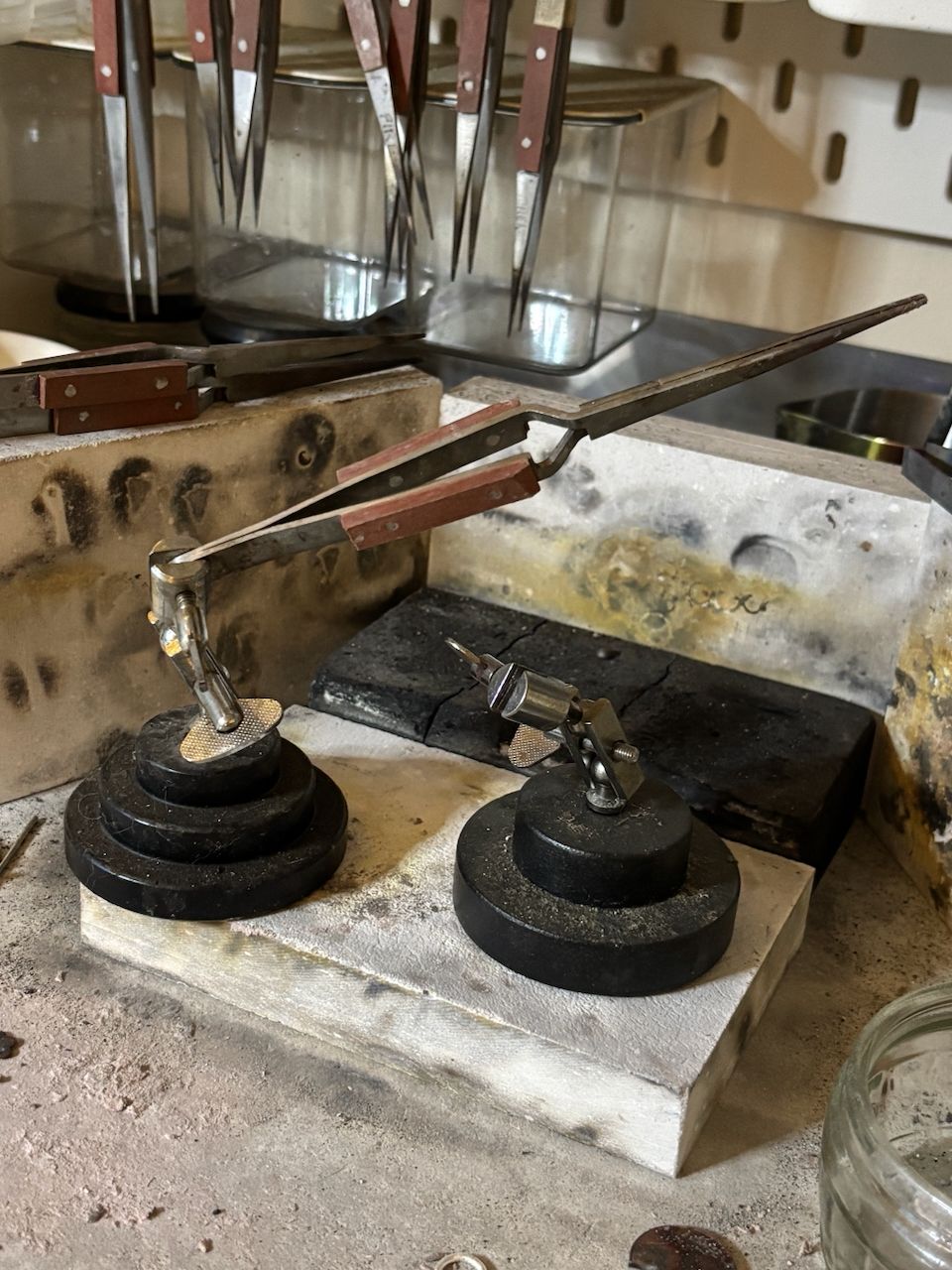
One of the most commonly used soldering aids for making jewellery is a traditional 'Third Hand' which is essentially a pair of steel tweezers on a heavy base, held in place by a form of thumbscrew. I have never gotten on well with mine, so have been on something of a mission recently to discover a selection of alternatives.


This blog contains a summary of my favourites, together with the links from where I got them from, if they're still available. If the links are no longer working, please get in touch and let me know and I can update them!

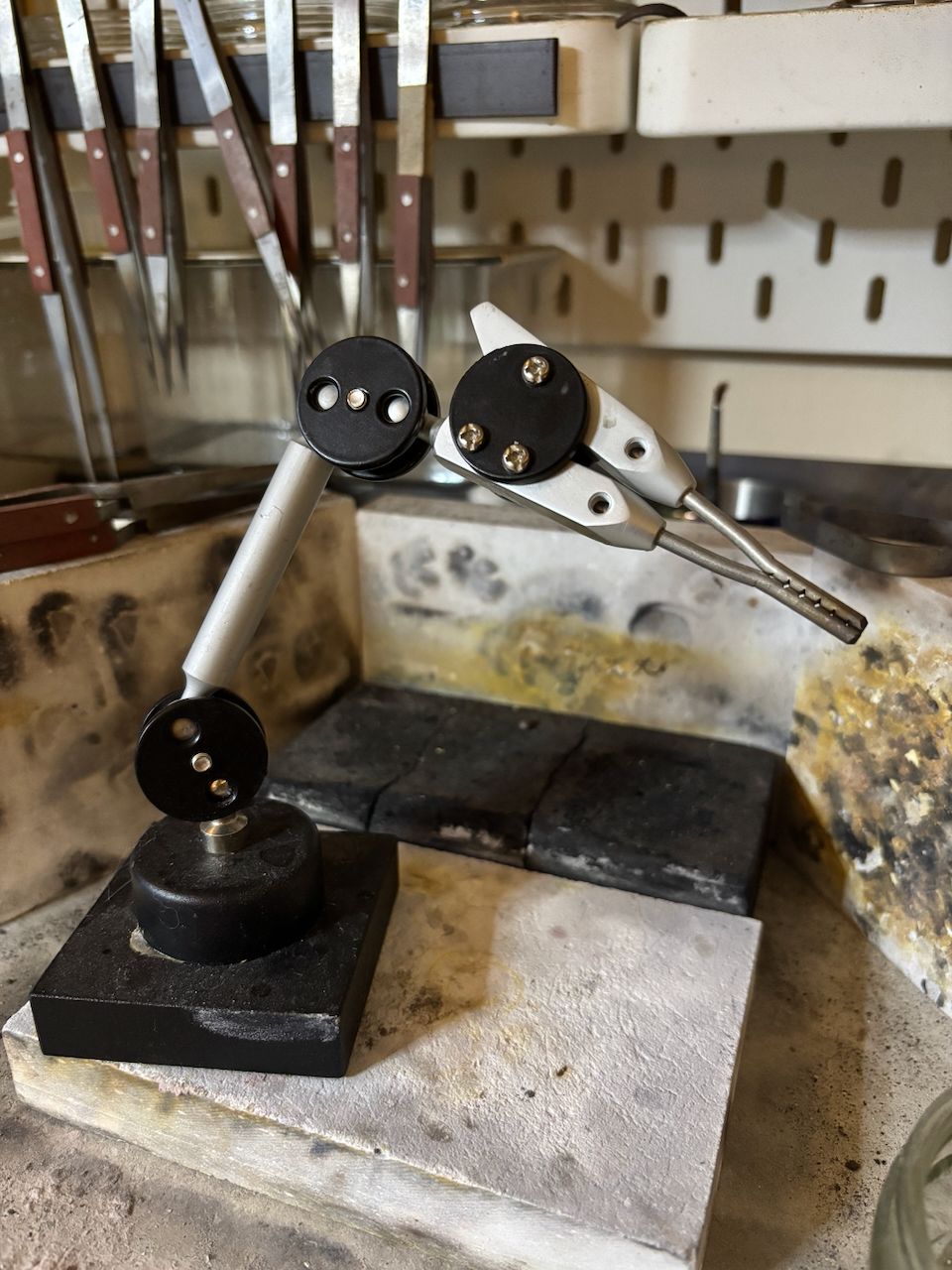
Clamp With Crocodile Jaws


Similar in design to the traditional ‘third hand’ but stronger and easier to use!


This clamp is triple jointed with fully threaded screws (not just a ball-joint in a thumbscrew) which ensures maximum flexibility and makes it more secure and less likely to move.


The iron base prevents tipping and the parallel serrated jaws give a more even grip than traditional soldering tweezers.


I got mine from HERE
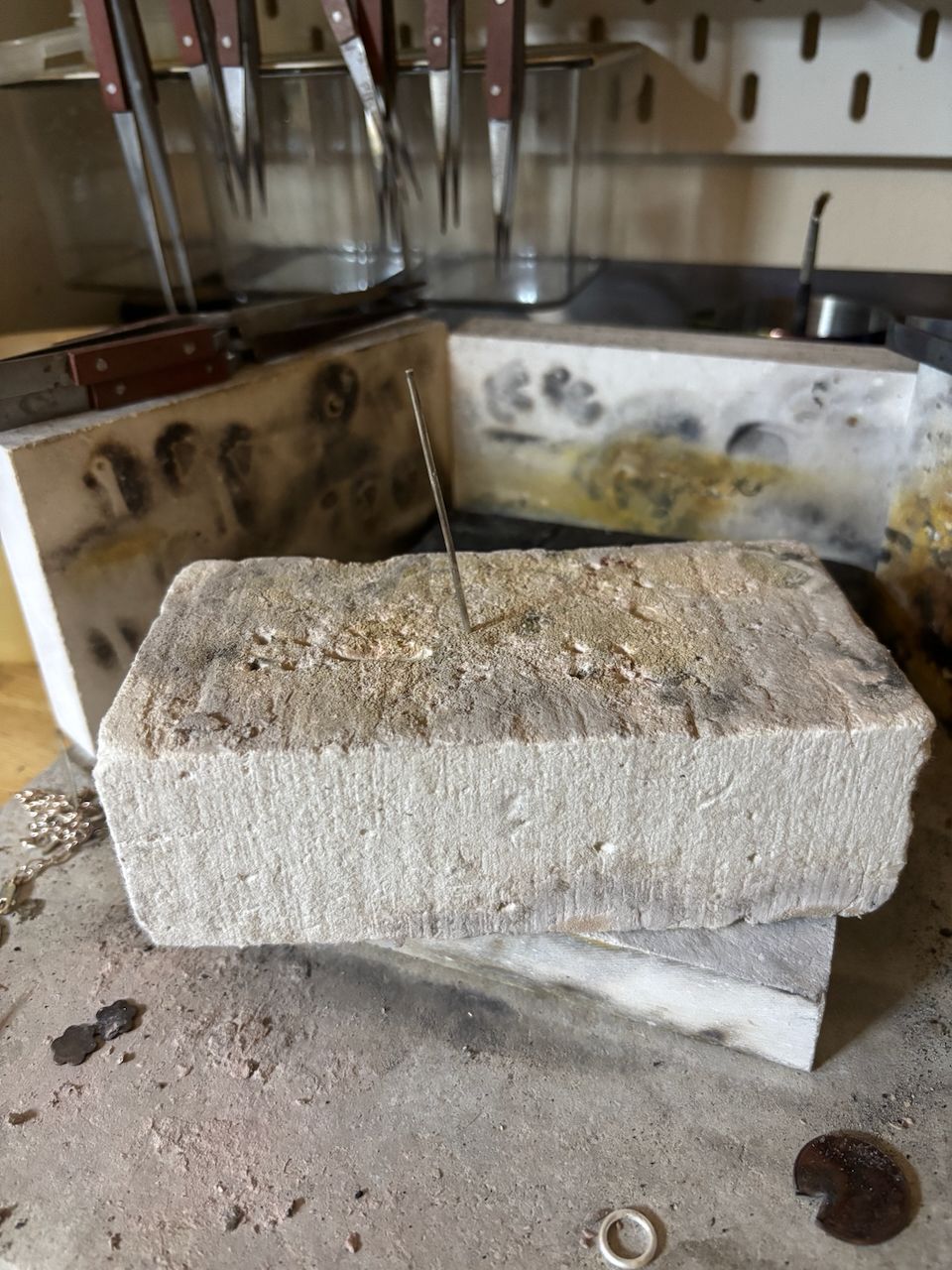
Magnesia Soldering Block


This is a lightweight, non-asbestos fireproof material.


It’s relatively inexpensive (around £8.00) and soft enough to carve into and also pin things in, so particularly handy for claw settings.


The downside is it can be a bit crumbly and dusty, and the surface very quickly becomes uneven.


I got mine from HERE

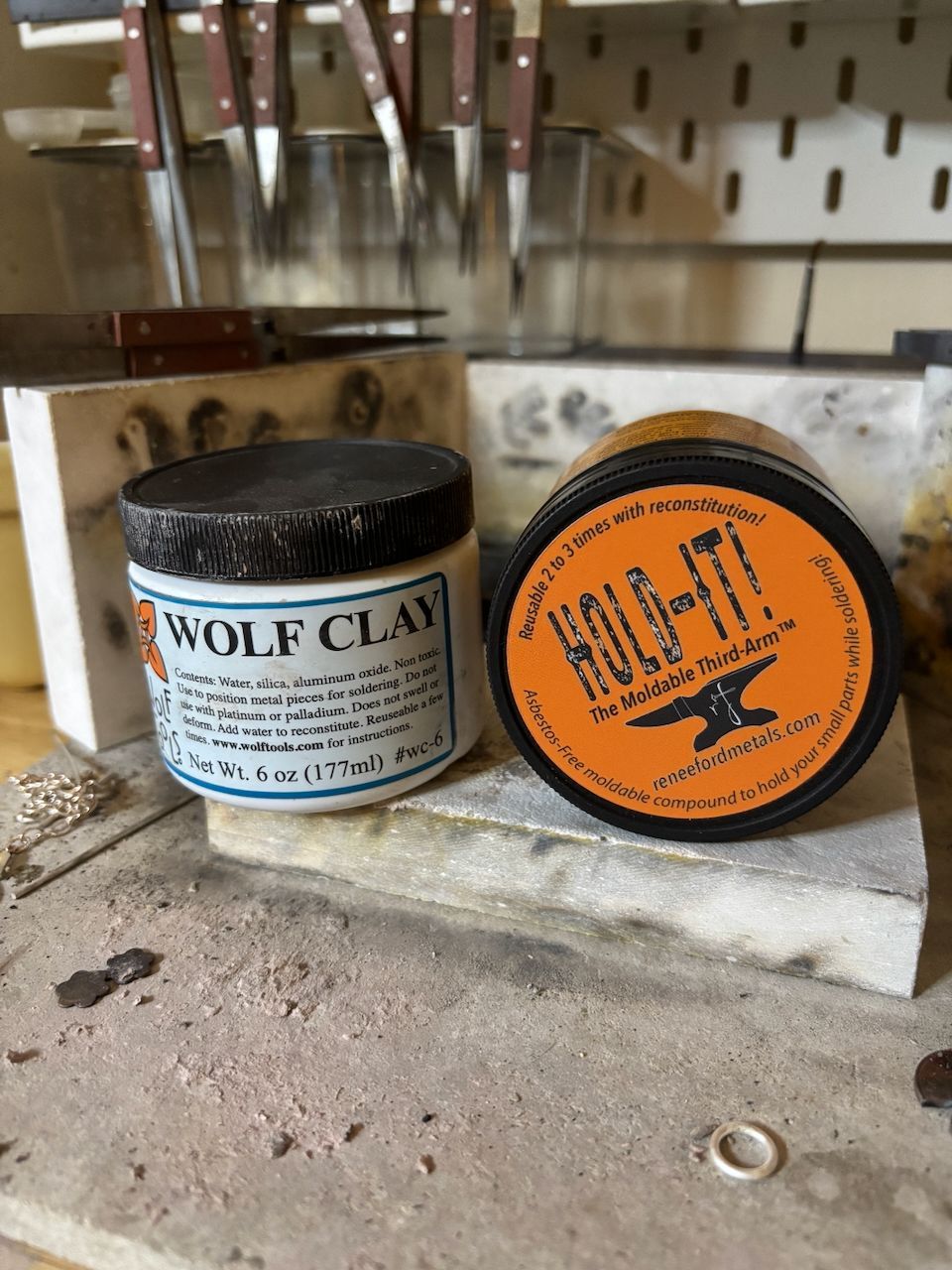
Soldering Putty/Clay


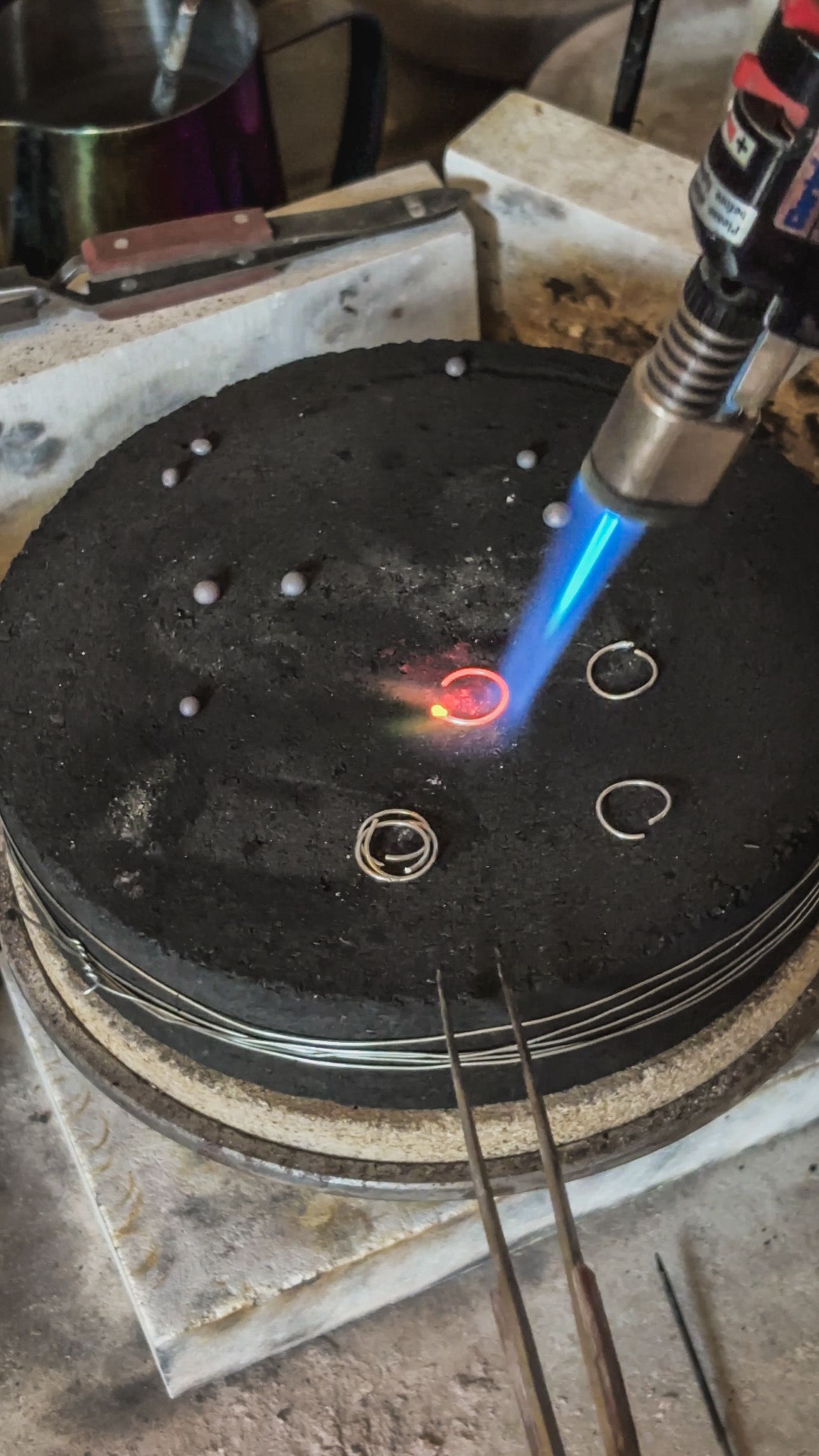
This is a mouldable, non-toxic clay that doesn’t burn and holds your metal during soldering. This stuff isn’t cheap, but it is AMAZING at holding fiddly pieces still or keeping things together without them moving. A total game-changer for awkward or intricate tasks and far less of a ‘heat sink’ than steel tweezers.


You can also re-use it multiple times (apart from any really crisp, directly fired bits) if you keep it moist and stored in an airtight container.


You can get Wolf Clay from HERE


 And 'Hold It' from HERE

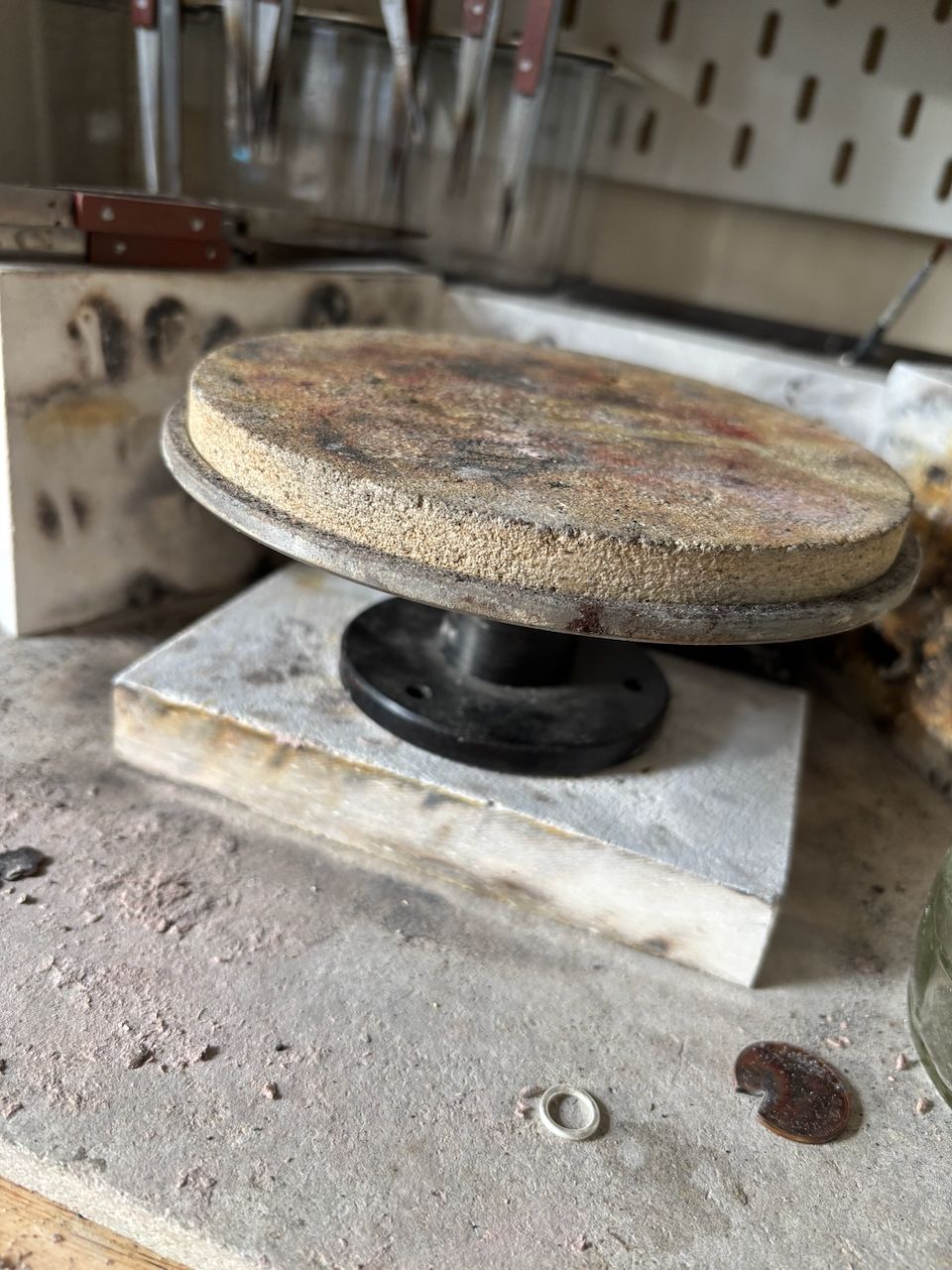
Soldering Turntable


One of the best investments I have made when it comes to soldering!


A brilliant tool for when you need a 360 degree view and want to evenly heat your piece from all directions without leaning over it or tipping your torch too far.


If you have a complicated or fiddly job to set up, simply take the board off the turntable, arrange everything whilst it’s stationary, then carefully place it back on the table to solder.


I got mine from HERE

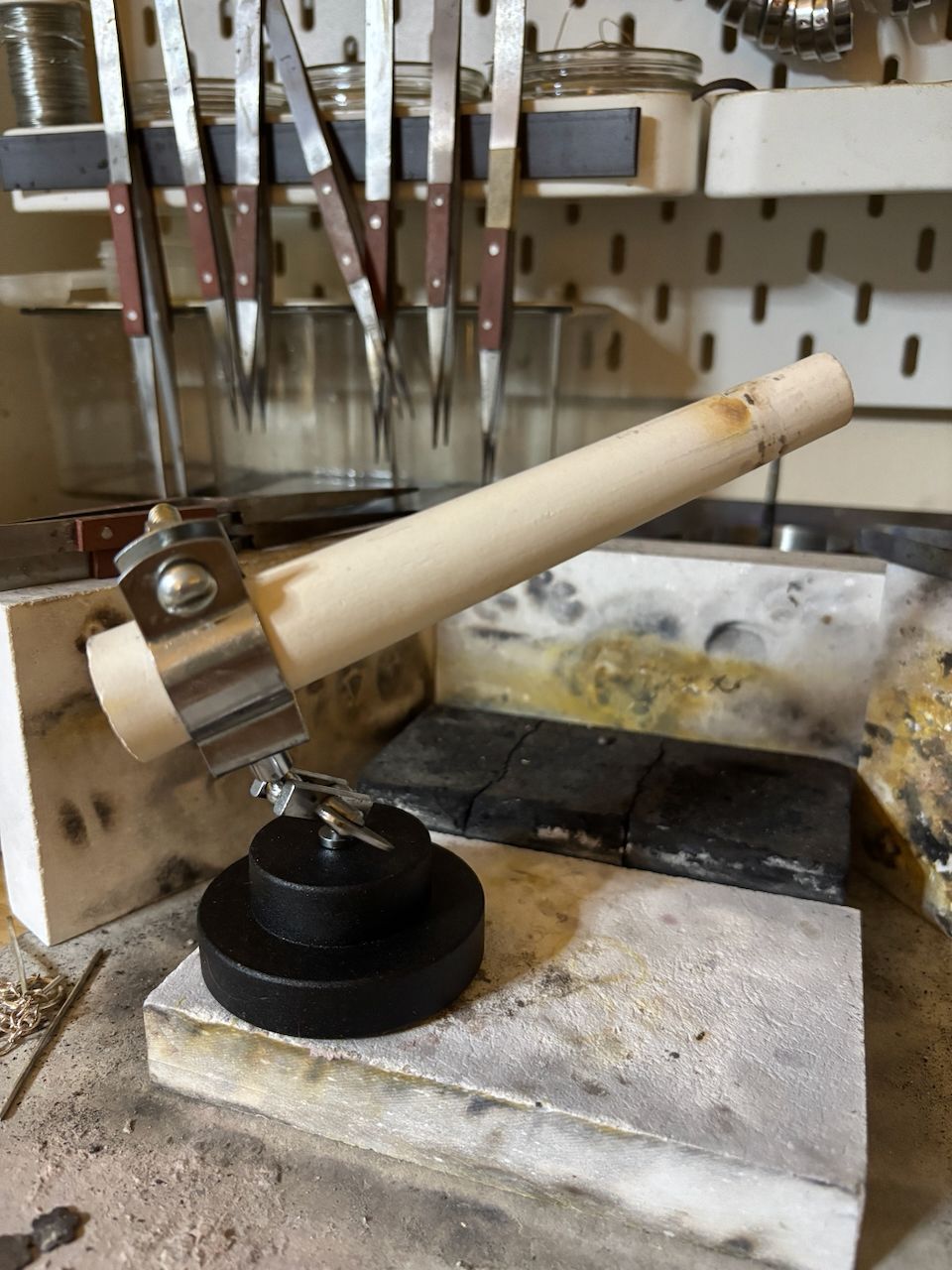
Ceramic Soldering Cone


This is designed specifically for soldering ring bands and comes on a swivel base.


I found this useful for plain ring bands and adding granulation. It’s sturdy and it really helps you see what you’re doing.


I didn’t find it quite so good for bezels, tube settings or any designs that involve soldering into or onto a band, as the components moved too much and it was tricky to line them up.


You can get one from HERE

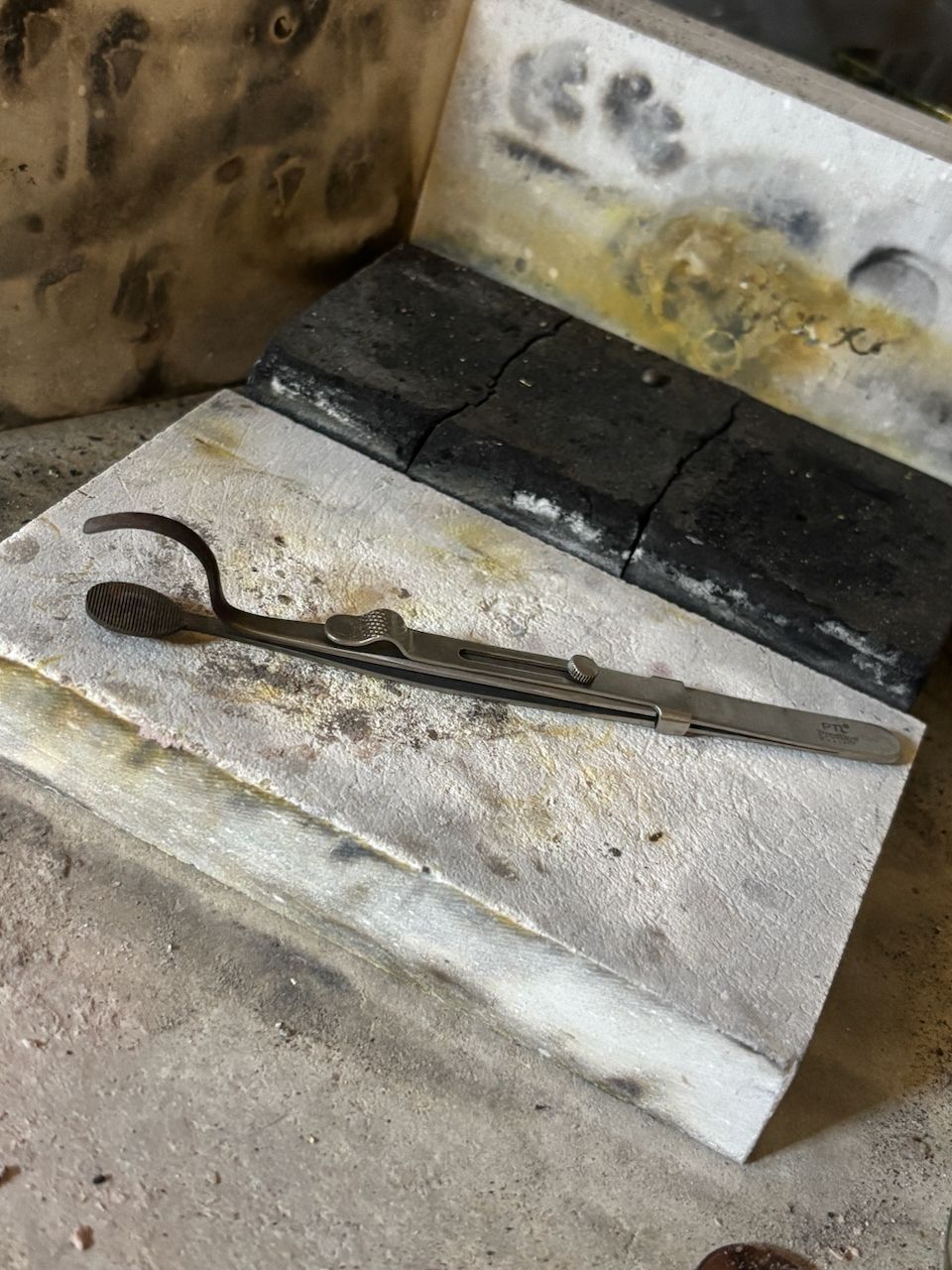
Head & Shank Locking Tweezers


These ‘lock’ into place to hold a ring shank and head together. They are brilliant for bezels or any design where you are soldering something ONTO a ring band.


They don’t always work so well for tube settings or anything that fits into an open gap IN the band.


Don’t set them too tightly or under too much pressure, or they may close further and compress your work as the metal is heated.


I got mine from Amazon, and availability can vary. Search for 'Head & Shank Tweezers' or try the link HERE

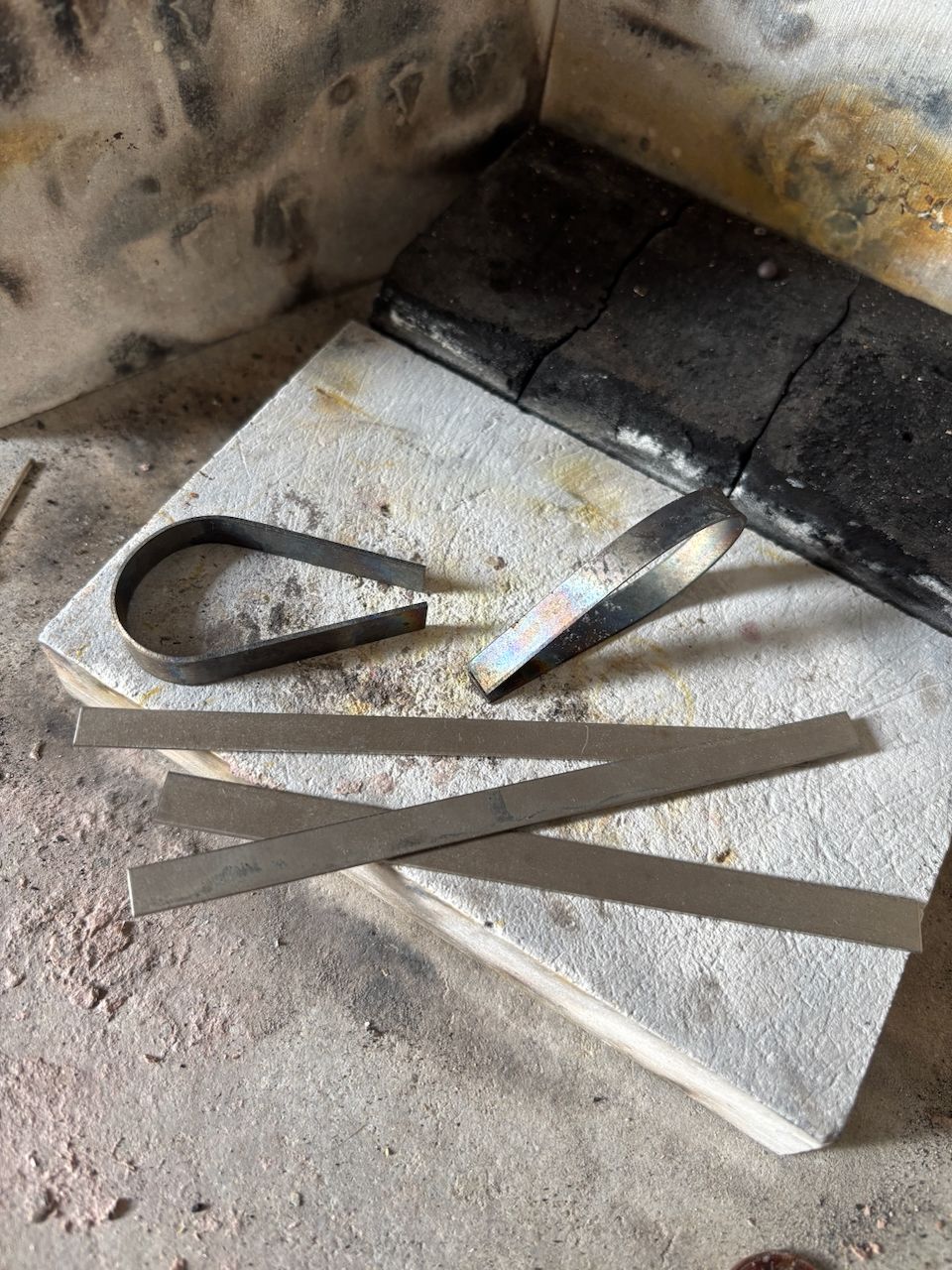
Titanium Clips or Clamps


These come as a set of plain strips which you can shape and file to suit your own needs. 


I have only used these a few times and have yet to really modify mine properly, BUT they are simple to use, adaptable, and work really well.


They’re particularly good for securing larger bezel surrounds to the backplate if you can’t get them to sit flat.


You can find some at the link HERE


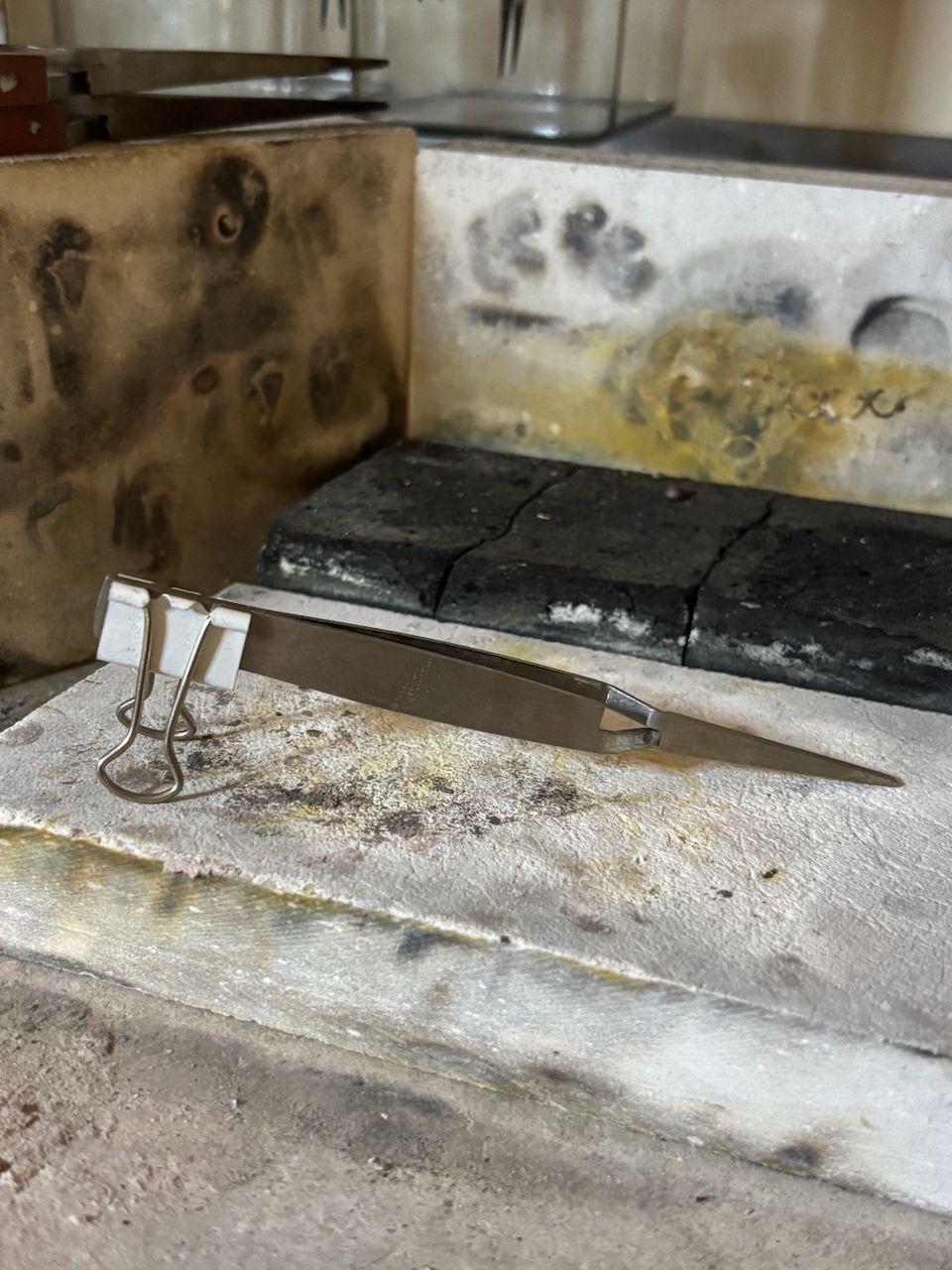
A Simple Binder Clip!


A binder or ‘bulldog’ clip attached to a pair of  cross-action locking tweezers. This is my favourite method for soldering earring posts! Tweezers with plain, non-serrated tips are best for adjusting the angle of the post.


Grip the end of the post with the tweezers, rest it in place against the back of the earring, and the downward force will hold it there while you solder it on.


I got mine from Amazon, and availability can vary. You can try the link HERE


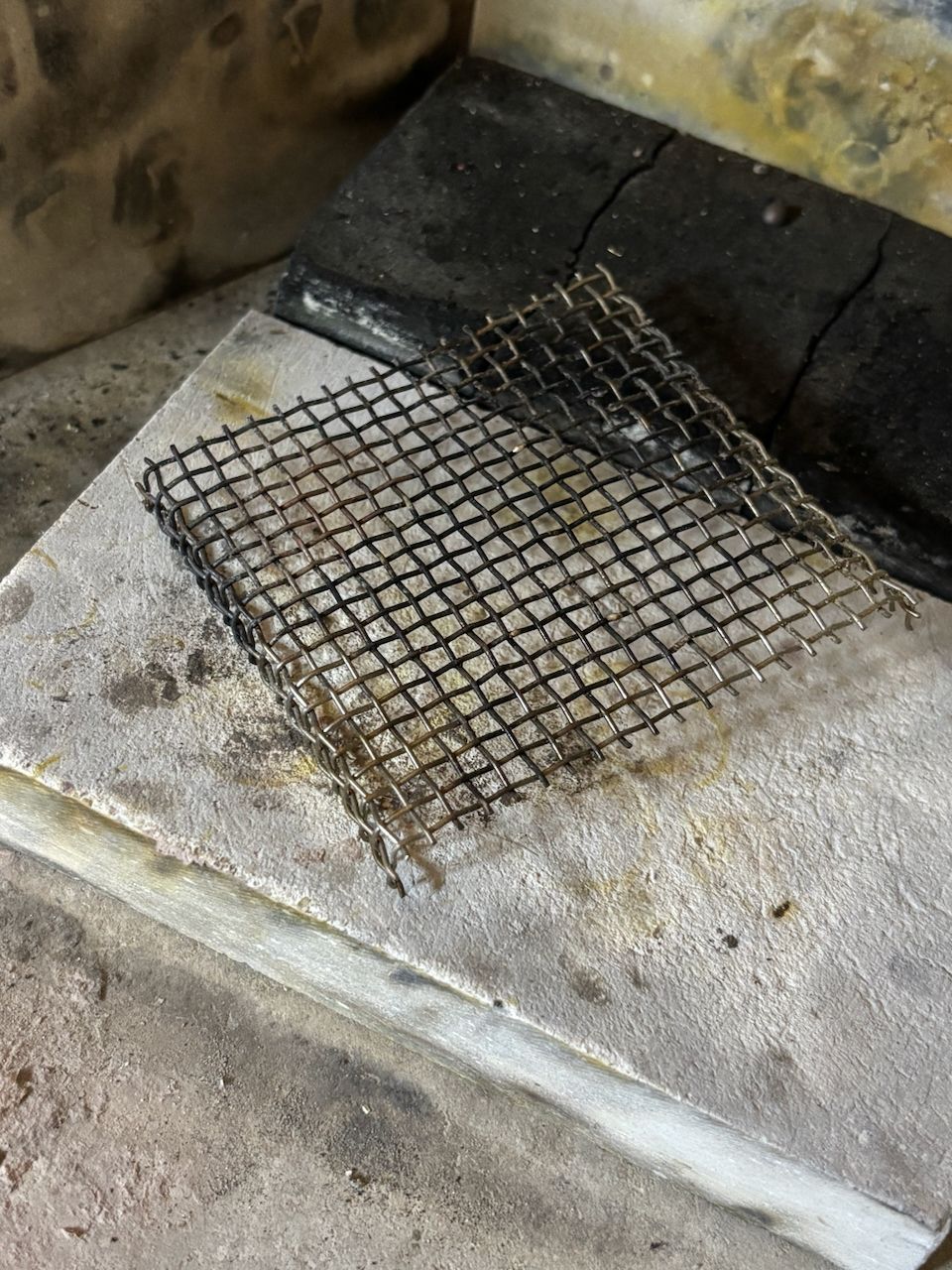
Stainless Steel Woven Mesh


These help you to raise your metal up and allow the heat to circulate around it more evenly.


I have mixed feelings about these. They can be great for larger bezel settings, metal clay, and anything that can take longer to heat up.


However I also find it almost impossible to get them to sit flat, and I’ve had solder get stuck to the wire (and then attach itself to subsequent pieces I’ve gone on to solder on the same mesh).


You can find one at the link HERE

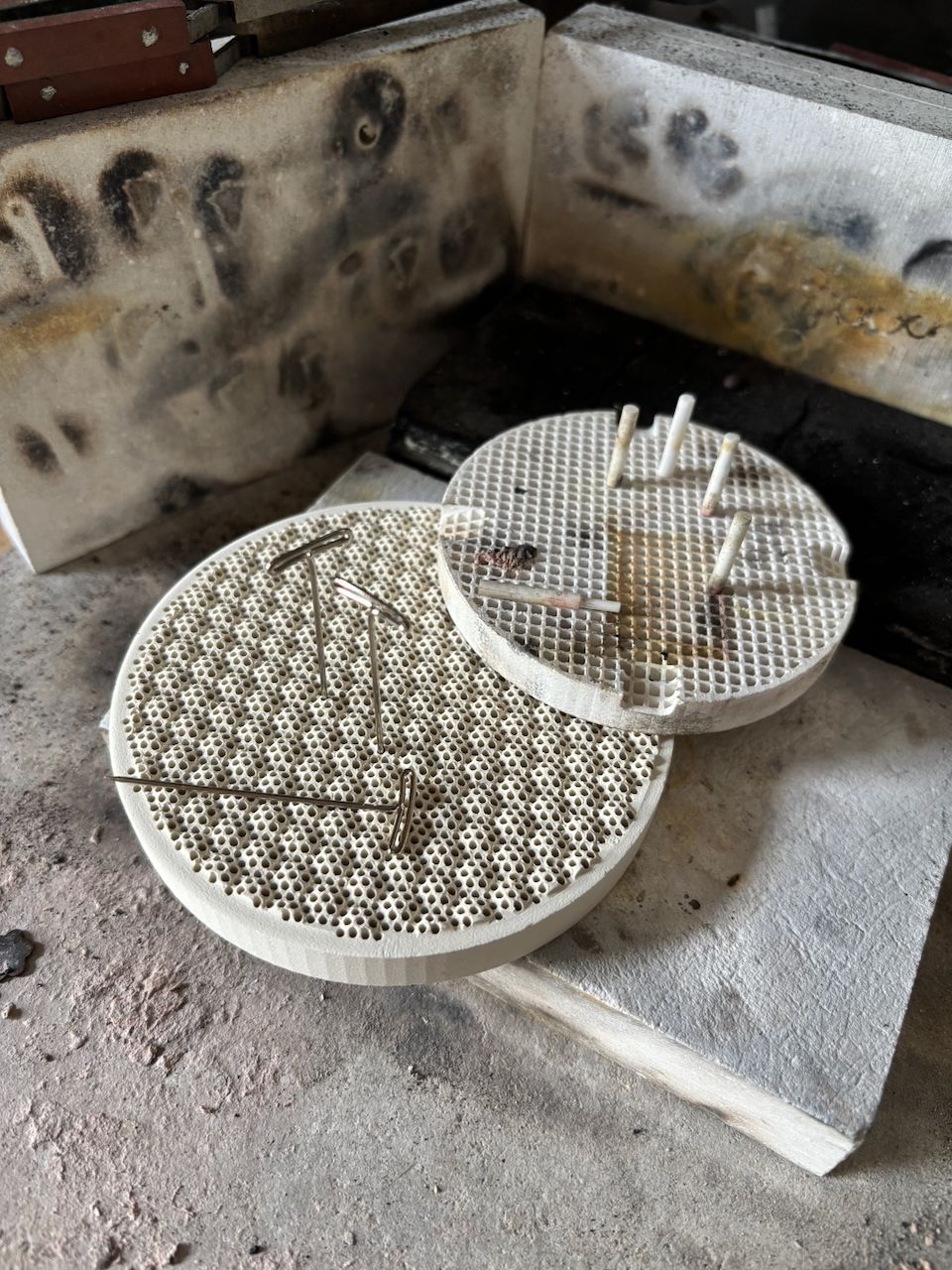
Ceramic 'Honeycomb' Blocks


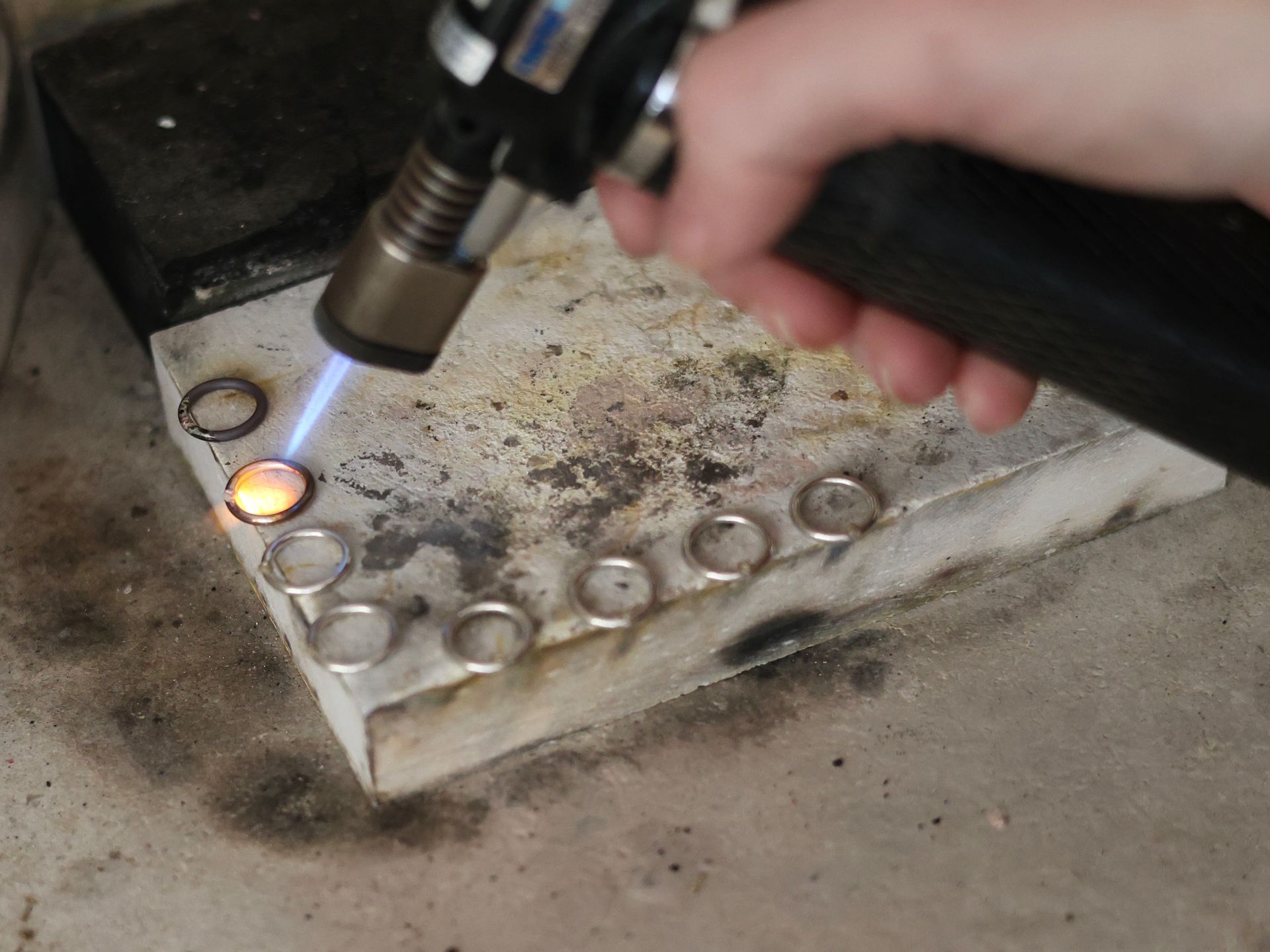
These are affordable, long lasting,  and come in a wide range of shapes and sizes. Ceramic surfaces are great for even heat distribution, and cool down very quickly after soldering.


You can also use ceramic or steel pins to help hold your work in place and stop it moving, and the grooves in the textured surface are ideal for keeping jump rings and chain links upright.


You can find the Honeycomb style ones from PepeTools at the link HERE


And simple square hole ones HERE

Sign up For Emails & get  10% Off


If you'd like to be the first to hear about any new pieces, new collections and any upcoming blog posts or other exciting news, then sign up to join my mailing list HERE and you will also receive a 10% discount off your first (or next) order!


by Kelly Twigg 24 May 2026
My decision to finally invest in Professional Training After 5 Years of Making Jewellery
by Kelly Twigg 15 May 2026
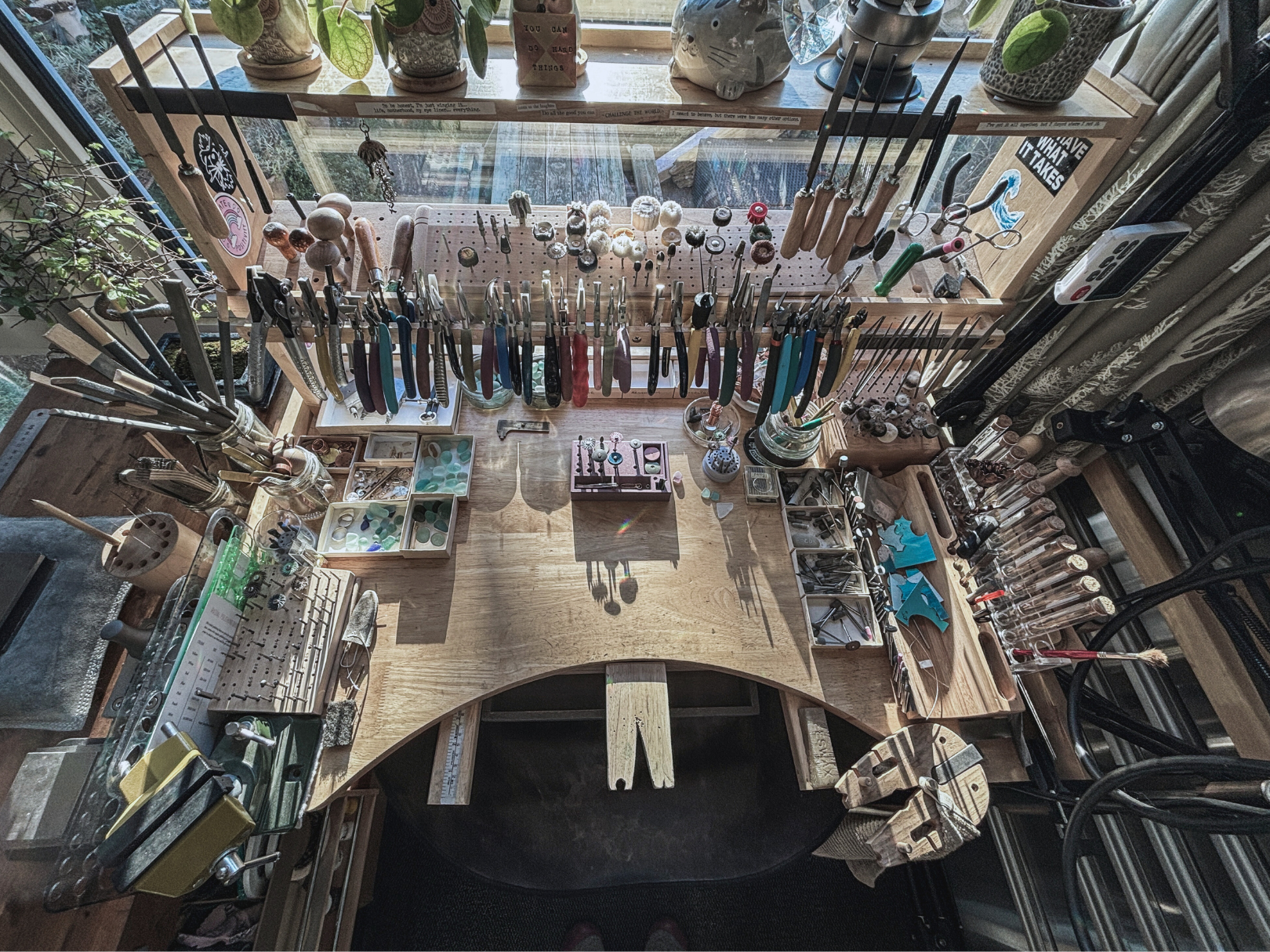
The development of my workspace, and how it's changed over the years.